A complete guide to Tissot watch prices in the Philippines. Discover popular models, price ranges, and tips to choose the best watch for your budget.
When people think of Swiss watches that offer both style and reliability without an extreme price tag, Tissot is almost always part of the conversation. Founded in 1853, the brand has built a strong reputation for blending classic watchmaking with modern design—making it a go-to choice for anyone who wants something timeless yet practical.
So why are Tissot watches especially popular in the Philippines? It really comes down to value. You’re getting a genuine Swiss-made watch—something often associated with luxury—but at a price that feels achievable. For many Filipinos, Tissot represents that perfect “upgrade watch”: not too basic, not too expensive, but just right for work, events, or even everyday wear. Add to that a wide range of designs—from sporty to dressy—and it’s easy to see why it fits so well into different lifestyles.
In this guide, you’ll learn everything you need before buying a Tissot watch in the Philippines. We’ll go through typical price ranges, popular models, and smart buying tips to help you choose the right watch for your style and budget.
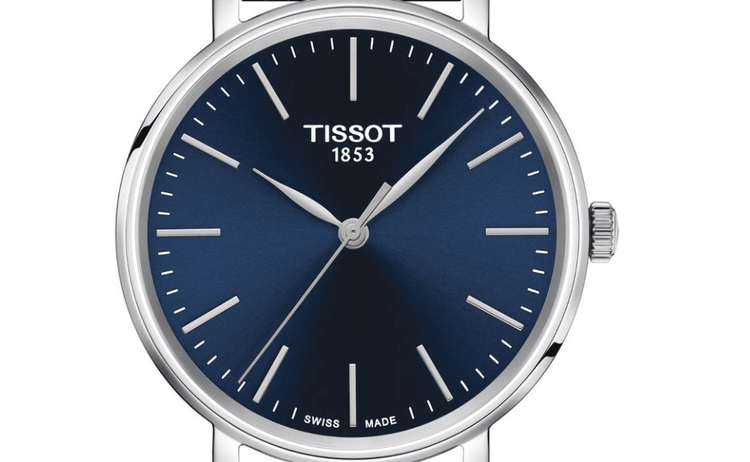
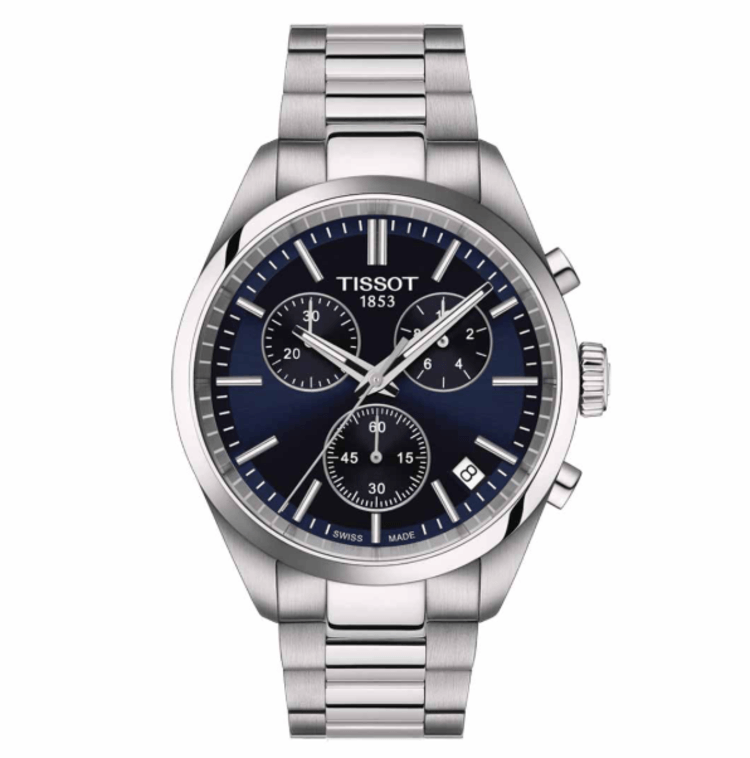
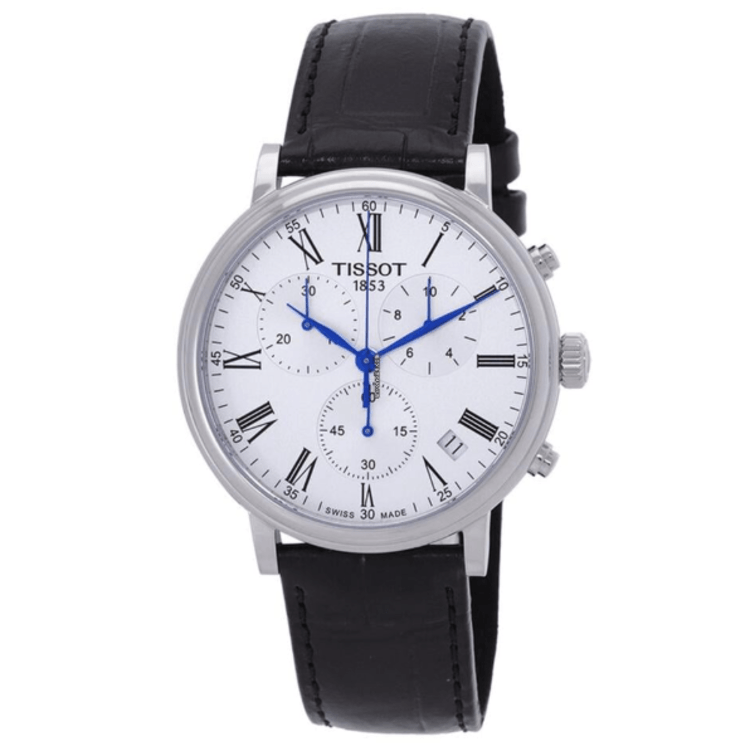
If you’re just getting into Swiss watches, you don’t need to spend big to get something reliable and stylish. In fact, Tissot has some excellent entry-level options in the ₱10,000 to ₱20,000 range that deliver way more value than their price suggests.
Here are some of the best picks to start with 👇
💡 Why choose these?
Because they nail the three things that actually matter when you’re starting out:
👉 Affordable – One of the most accessible ways to own a Swiss-made watch
👉 Reliable – Quartz movement keeps excellent accuracy with minimal issues
👉 Low Maintenance – No winding, no complications, just wear and go
Let’s keep it real—these are entry-level watches, so there are trade-offs.
Here’s what you get:
And here’s what you don’t get:
| Attribute | Everytime Quartz | PR 100 Quartz | Carson Quartz |
|---|---|---|---|
| Movement | Quartz (battery) | Quartz (battery) | Quartz (battery) |
| Power Source | Battery | Battery | Battery |
| Accuracy | Very high | Very high | Very high |
| Maintenance | Low | Low | Low |
| Style | Minimalist / casual | Sporty / everyday | Elegant / dressy |
| Key Feature | Ultra simple design | Durable 100m water resistance | Refined formal look |
| Best For | First Swiss watch / daily wear | Work + active daily use | Office / formal occasions |
| Overall Feel | Clean & lightweight | Practical & strong | Classic & polished |
💡 Quick takeaway:
All three are great entry points into Tissot—it just depends on whether you want minimal, sporty, or dressy style.
⚡ Bottom line? If you want a Swiss watch without overthinking it, these budget Tissot models are a smart place to start. They’re simple, dependable, and stylish enough for everyday use—exactly what a first watch should be.
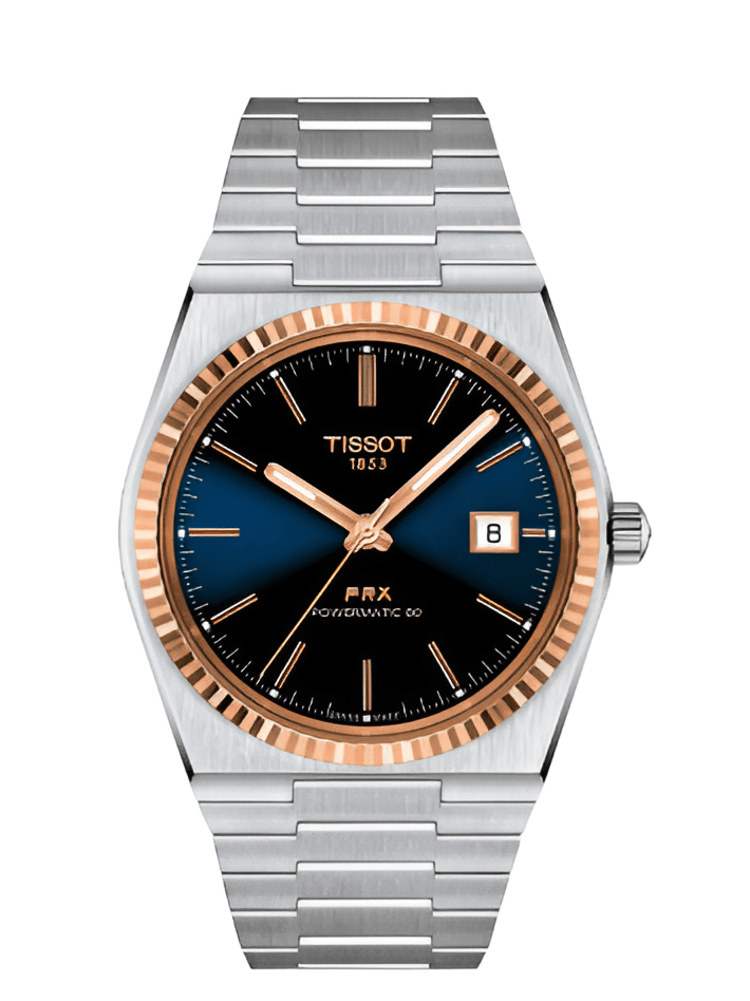
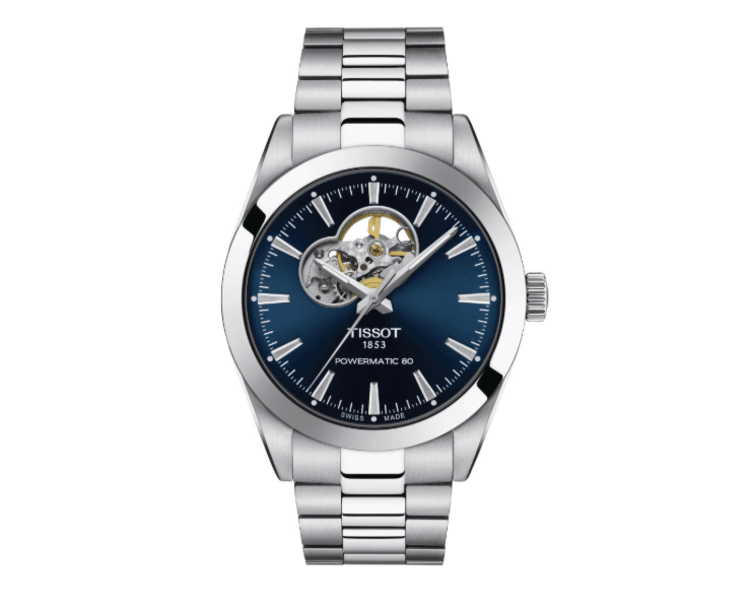
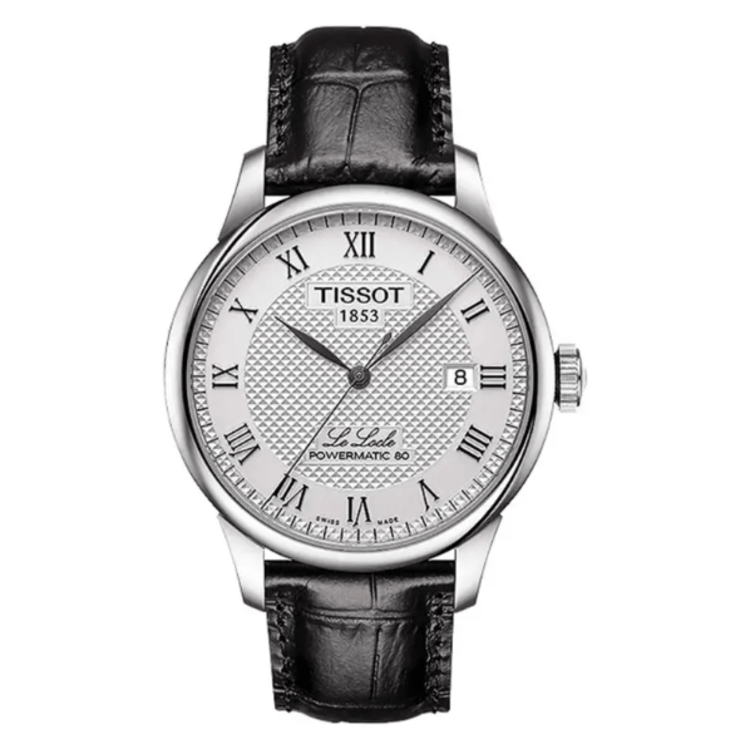
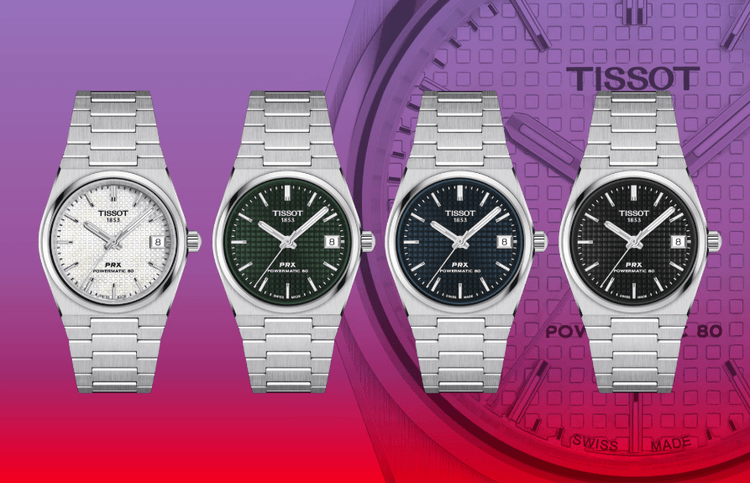
If you’re moving beyond entry-level watches, this is where things start to feel more “serious.” Mid-range models from Tissot introduce automatic movements, better craftsmanship, and a real mechanical watch experience—without jumping into luxury pricing.
Here are the key picks 👇
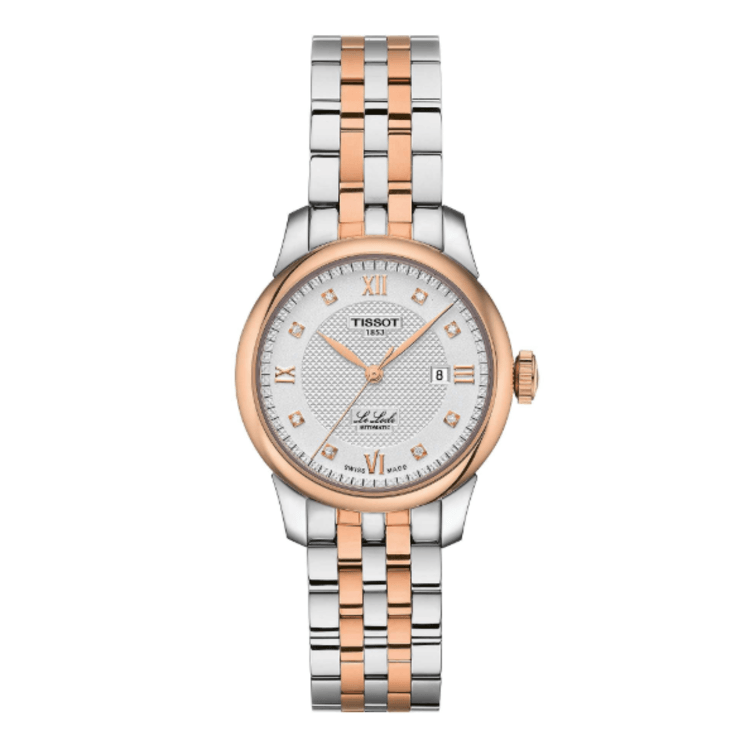
| Attribute | PRX Powermatic 80 | Gentleman Automatic | Le Locle Automatic |
|---|---|---|---|
| Movement | Automatic | Automatic | Automatic |
| Power Reserve | ~80 hours | ~80 hours | ~38–80 hours (varies by version) |
| Accuracy | High (mechanical standard) | High (mechanical standard) | High (mechanical standard) |
| Maintenance | Moderate | Moderate | Moderate |
| Style | Sporty / modern / integrated bracelet | Minimalist / versatile | Classic / dressy |
| Key Feature | Iconic retro-modern design | Balanced everyday elegance | Traditional Swiss detailing |
| Best For | Trendy everyday wear | Office + daily versatility | Formal / dress occasions |
| Overall Feel | Bold & modern | Clean & balanced | Elegant & traditional |
💡 Quick takeaway:
⚡ Bottom line Mid-range Tissot watches are where you start feeling the difference of real mechanical watchmaking. If entry-level quartz is about convenience, this level is about experience, craftsmanship, and personality—with the PRX leading the way as the most popular choice today.
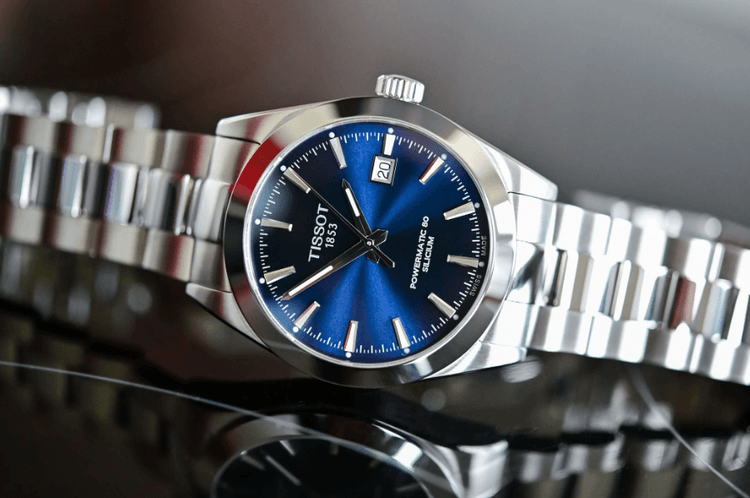
Once you move beyond mid-range automatics, you enter the premium tier of Tissot. This is where you get higher-end automatic movements, sapphire crystals, improved finishing, and more refined Swiss craftsmanship. These watches are no longer just “entry Swiss”—they start feeling like proper luxury-adjacent pieces.
Here are the standout categories 👇
| Attribute | PRX Powermatic 80 (Premium Variants) | Gentleman Powermatic 80 Silicium | Le Locle Special Editions |
|---|---|---|---|
| Movement | Automatic Powermatic 80 | Automatic Powermatic 80 Silicium | Automatic Powermatic 80 |
| Power Reserve | ~80 hours | ~80 hours | ~80 hours |
| Crystal | Sapphire | Sapphire | Sapphire |
| Accuracy | High (improved stability in silicium version) | Higher (anti-magnetic upgrade) | High (standard mechanical precision) |
| Maintenance | Moderate | Moderate | Moderate |
| Style | Bold / modern / sporty-luxury | Clean / technical / refined everyday | Classic / formal / traditional |
| Key Feature | Iconic integrated bracelet luxury feel | Anti-magnetic upgraded movement | Elegant Swiss dress finishing |
| Best For | Statement daily luxury wear | Daily premium reliability | Formal / dress occasions |
| Overall Feel | Trendy & premium | Technical & refined | Timeless & elegant |
💡 Quick takeaway:
Premium Tissot watches are best for you if:
⚡ Bottom line This tier is where Tissot becomes more than just “entry Swiss.” You’re paying for refinement, upgraded movement technology, and stronger craftsmanship, with the PRX leading for modern style, the Gentleman for technical balance, and the Le Locle for pure classic elegance.
When people start looking at Swiss watches in the affordable luxury range, Tissot is one of the first names that comes up. It sits in a unique position: not ultra-luxury, but still genuinely Swiss, with real mechanical credibility and a long-standing reputation.
One of the strongest points of Tissot is its Swiss identity and history dating back to 1853. That matters in watchmaking because “Swiss Made” isn’t just a label—it reflects stricter standards in production, assembly, and movement quality.
What this means in practice:
This heritage is a big reason Tissot is often seen as an “entry point” into proper Swiss watch ownership.
In the same price category, Tissot is often compared with brands like Seiko and Citizen. Each brand offers a different kind of value:
In short:
Tissot watches are generally built to last a long time if properly cared for. The movements are serviceable, and parts availability is supported through its group manufacturing system.
What to expect over time:
On resale:
So the value here is more about wearing experience and longevity, not resale gains.
Choosing your first watch from Tissot isn’t just about looks—it’s about matching the watch to how you actually live. The right choice usually comes down to movement type, lifestyle, and budget, not just design.
The first decision is movement, and it changes everything about how the watch behaves.
👉 Simple way to think about it: Quartz = convenience and precision Automatic = experience and craftsmanship
Your daily routine should guide your choice more than anything else.
Budget decides how far you can go in terms of movement and finishing.
👉 Important mindset shift: Don’t just ask “what can I afford?” Ask “how often will I actually wear it?”
💡 Quick takeaway
At the end of the day, Tissot stands out because it offers something very few brands manage to balance well: real Swiss heritage, reliable build quality, and a wide price range that still feels accessible. From simple quartz starters to more refined automatic models like the PRX Powermatic 80, Tissot gives you a clear path to grow your watch collection without jumping straight into luxury pricing.
What makes it even more appealing is how flexible the lineup is. Whether you want something for daily wear, a clean office look, or a more premium mechanical piece, there’s always a Tissot model that fits the role without feeling forced or overly complicated.
If you’re still deciding, the best move is to explore different models side by side—look at how they feel on the wrist, how they match your lifestyle, and what level of maintenance you’re comfortable with. Watches are personal, and the right one usually “clicks” when you see it in real life.
👉 Take your time, compare your options, and choose the watch that actually fits how you live—not just how it looks on paper.
Not really. Tissot sits in the entry to mid-range Swiss watch category, so prices are higher than fashion watches but still far below luxury brands. Entry-level quartz models are relatively affordable, while automatic and PRX models sit in the mid-range bracket depending on the variant.
The cheapest Tissot watches are usually entry-level quartz models like the Everytime or PR 100 series. These are designed to be simple, reliable, and accessible, making them the most budget-friendly way to own a Swiss-made watch.
It depends on what you value more.
In short, Tissot feels more “Swiss premium,” while Seiko often gives more features for the price.
The safest option is always authorized dealers and official watch retailers, as they guarantee authenticity, warranty coverage, and proper after-sales service. Buying from trusted physical stores or verified online retailers helps avoid counterfeit products.
Yes. Tissot is often considered a gateway into Swiss watch ownership. You can start with a simple quartz model and later upgrade to automatic pieces like the PRX Powermatic 80, making it a brand that grows with your collection.